
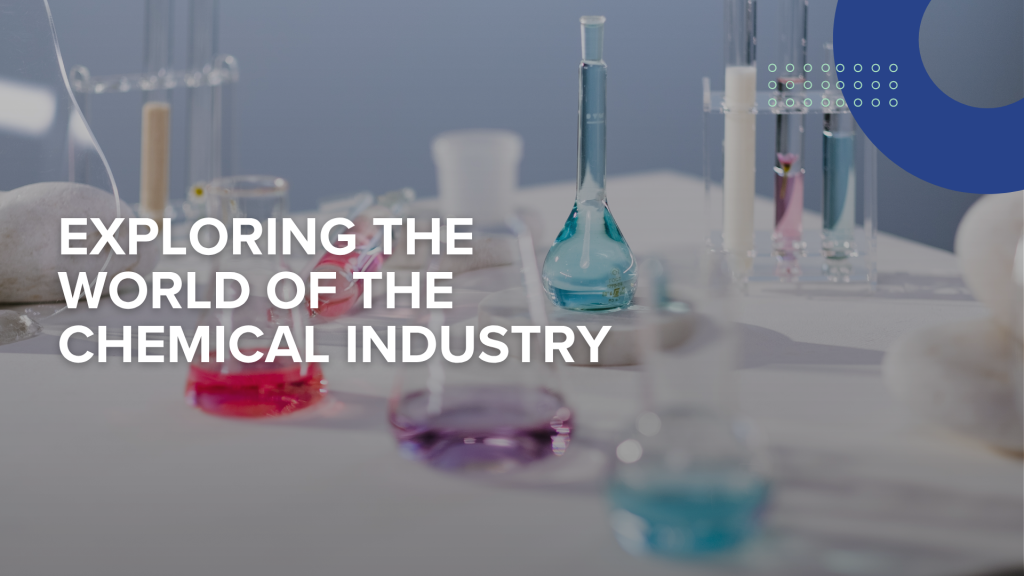
What is Chemical Industry?
The chemical industry is one of the key sectors of the economy, playing a crucial role in providing raw materials and intermediate products for almost all other manufacturing industries such as agriculture, pharmaceuticals, electronics, construction materials, textiles, and food. In other words, nearly every product in our daily lives — from shampoo bottles, plastic sheets, and pills to tires and wall paints — bears the imprint of the chemical industry.
According to the Strategy for the Development of Vietnam’s Chemical Industry to 2030, with a Vision to 2040 (Decision No. 726/QĐ-TTg), the chemical industry is oriented toward modern, environmentally friendly growth with deeper integration into global value chains. It is projected that by 2030, the industry will account for 4–5% of the country’s total industrial output value and achieve an average annual growth rate of 10–11%.
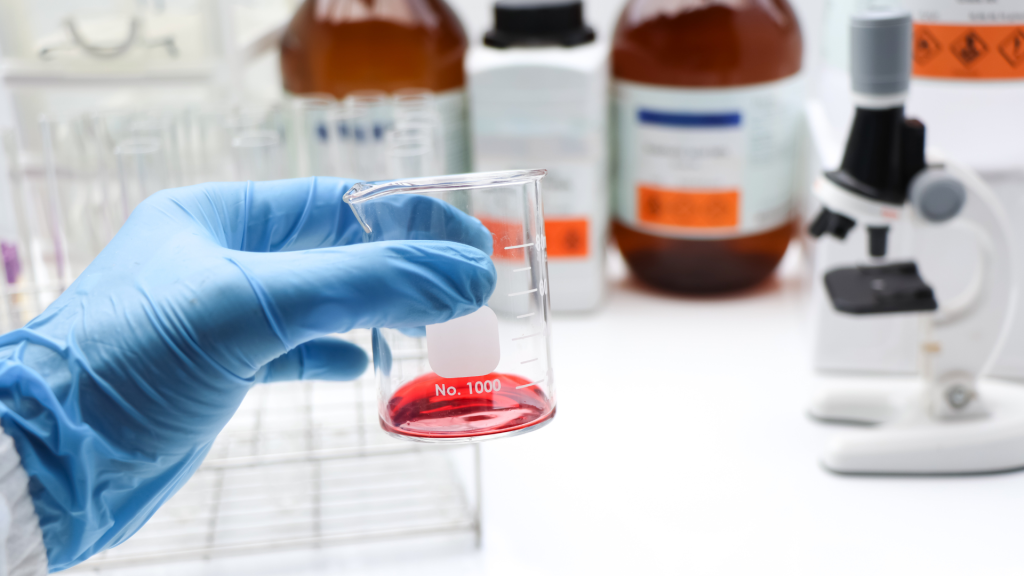
Products of the Chemical Industry
1. Basic Chemicals:
Basic chemicals are divided into three main types: petrochemical products (derived from petroleum, natural gas, and coal), polymers, and basic inorganic chemicals. These chemicals are typically sold to businesses within the chemical industry or to other industrial sectors as raw materials for further production.
Examples of basic chemicals include polymers, caustic soda (NaOH), nitric acid, chlorine, and many others. Petrochemical products are often manufactured through specialized technologies in which hydrocarbons are converted into essential chemicals serving various industries.
2. Specialty Chemicals:
Specialty chemicals are commonly used in the production of paints, inks, dyes, and agricultural materials. Therefore, they are widely distributed to industries such as textiles, engineering, and paper manufacturing for further processing.
A key characteristic of specialty chemicals is that they are designed and developed to achieve maximum performance. For instance, in the paint industry, modern products have evolved from solvent-based paints to water-based paints — more environmentally friendly and safer for users.
3. Consumer Chemicals:
In addition, the chemical industry also produces direct consumer products such as soaps, detergents, and cleaning solutions. These products are constantly being innovated to meet diverse consumer needs — for example, plant-based soaps or formulas suitable for sensitive skin.
Beyond these three main categories, the chemical industry also manufactures fine chemicals and bulk/commodity chemicals.
Bulk chemicals are produced on a large industrial scale for global markets, such as polymers and fertilizers. Fine chemicals, on the other hand, are high-purity compounds made in limited quantities under strict technical standards. A typical example is glutaric anhydride, a fine chemical used in organic synthesis.
Key Sectors in the Chemical Industry
Pharmaceutical Industry
This is one of the earliest branches of the chemical industry, focusing on the research, development, and production of medicines. Scientists in this field develop various pharmaceuticals such as antibiotics, antiviral drugs, pain relievers, and many others.

Food and Beverage Industry:
Beyond industrial production, the chemical industry plays a vital role in food manufacturing and preservation. Additives such as preservatives, sweeteners, emulsifiers, and colorants are used to improve quality, extend shelf life, and enhance flavor — all of which must undergo strict testing before being used in food products.

Detergent and Soap Industry:
The detergent and soap sector is one of the most essential and familiar branches of the chemical industry. It specializes in producing cleaning, disinfecting, and personal care products that improve living standards and safeguard public health. Companies constantly research and enhance their products to meet consumer demands — such as better stain removal, pleasant fragrances, and formulations safe for sensitive skin.

Paper Industry
The paper industry transforms natural wood into paper through processing and chemical treatment. These chemicals help bleach, protect against moisture and mold, and increase the durability of finished paper products.
Cosmetics Industry
The cosmetics sector is a vital part of the chemical industry, focusing on the research, production, and development of skincare, haircare, body care, and makeup products. It combines chemistry, biology, and technology to create safe and effective products for consumers.
Cosmetic manufacturing involves products such as creams, makeup, facial cleansers, and anti-aging formulas. Since these products come into direct contact with skin, they must undergo rigorous safety testing before reaching consumers.

Paints and Coatings Industry
This branch produces wall paints, wood paints, metal paints, and protective coatings for construction materials. Beyond protection, these products are also designed for aesthetics, color durability, and environmental friendliness — with a growing shift from solvent-based to water-based paints.

Textile Industry:
The textile industry uses numerous chemical processes such as dyeing, printing, waterproofing, and fabric finishing. These chemicals help fabrics maintain colorfastness, resist wrinkles, repel water, and remain gentle on the skin.

Petrochemical Industry:
This is a key sector of the global economy, transforming petroleum and natural gas into basic chemicals such as olefins, propylene, benzene, and styrene. These products serve as raw materials for many other chemical sectors — including plastics, synthetic fibers, rubber, paints, and resins
ChemExpo Vietnam 2026 – A Platform Connecting Vietnam’s Chemical Industry with the World
As Vietnam’s chemical industry undergoes significant transformation, ChemExpo Vietnam 2026 will serve as a flagship event bringing together domestic and international enterprises, manufacturers, suppliers, and experts in the field.
The exhibition will be held from June 10–12, 2026, at the Saigon Exhibition and Convention Center (SECC) in Ho Chi Minh City. It will provide an excellent opportunity for Vietnamese companies to network, expand cooperation, and explore new technologies in the chemical industry.
Join ChemExpo Vietnam 2026 to connect and thrive with the chemical industry!